

Real estate is often called India’s safest investment. And for most people who invest thoughtfully, it is. But “most people” isn’t everyone.
Walk into any Indian city and you’ll find investors stuck with properties they can’t rent, can’t sell, or bought at prices that still haven’t recovered years later. Real estate losses are real, they’re painful, and they’re almost always avoidable in hindsight.
The hard truth is that real estate doesn’t automatically appreciate. Location matters. Timing matters. Due diligence matters. Financial structuring matters.
People who skip any of these steps are the ones asking why they lost money in property while their friends made 15% annual returns. This guide breaks down the 10 most common reasons why people incur losses in real estate investment in India, so you don’t have to learn them the expensive way.

1. Buying in the Wrong Location
Location is not just important in real estate, it is everything. A beautifully built apartment in a declining area will lose value. A modest flat in a high-demand corridor will appreciate steadily. Yet many investors buy based on what’s cheapest or most convenient to visit, not what has real growth fundamentals.
The mistake: choosing based on price alone, buying in areas with no upcoming infrastructure, no job creation, and declining population.
The fix: research population trends, upcoming metro lines or highway projects, new employment hubs, and rental demand in the micromarket before buying. A property 10km from a planned metro station opening in 3 years is worth far more than one already at saturation.
2. Overpaying at the Peak of a Price Cycle
Real estate markets move in cycles, boom, plateau, correction, recovery. Many investors buy at the peak of a boom driven by fear of missing out, paying prices that take 5–7 years just to recover, let alone generate returns. This is one of the most common reasons for real estate losses in India.
The mistake: buying during media-hyped price spikes when everyone is talking about a city’s growth, by which point prices have already risen and smart money has already entered.

The fix: look at cities where growth is being announced but not yet priced in. Track registration data and actual transaction volumes, not asking prices on portals.
3. Ignoring Rental Yield Before Buying
Many investors buy a property purely betting on price appreciation, without checking whether the rental income would cover even a fraction of the EMI. When appreciation stalls, as it does in any cycle, they’re left paying EMIs from their salary with zero rental support and negative cash flow every month.
The mistake: buying in a city with 2–3% rental yield (like premium Mumbai or Delhi) when your home loan costs 8.5%. You’re paying out more than you’re earning from day one.
The fix: before buying any investment property, ensure net rental yield covers at least 100–110% of your EMI. Cities like Coimbatore, Pune outskirts, and Ahmedabad offer 5–7% yields that make this math work.
4. Trusting Unregistered Builders and Unverified Projects

Pre-RERA, thousands of Indian investors lost crores to builders who collected money for projects that were never built, or were built so poorly they became uninhabitable.
Even post-RERA, unregistered projects and fraudulent builders continue to trap unsuspecting buyers in Tier-3 cities and rural areas where enforcement is weaker.
The mistake: buying from a builder because of a fancy showroom, slick brochure, or persuasive sales team, without verifying RERA registration, land title, and builder track record.
The fix: verify RERA registration number on the state portal, check the builder’s completed project history, and hire a property lawyer to verify land title before paying any amount beyond the initial token.
5. Skipping Legal Due Diligence
Title disputes are one of the most devastating sources of real estate losses in India. Buying a property with an unclear title, pending litigation, unpaid loans against the property, or disputed ownership can result in years of legal battles, and in the worst cases, losing the property entirely despite having paid for it.
The mistake: relying on the builder or seller’s assurances that “everything is clear.”
The fix: always hire an independent property lawyer (₹10,000–20,000 one-time fee) to conduct a full title search going back 30 years, verify encumbrance certificate, check for mortgages or liens, and confirm building plan approvals.
This single step prevents the most catastrophic real estate losses.
6. Over-Leveraging with Loans You Can’t Service

Taking on more home loan than your rental income and salary can comfortably service is a recipe for financial stress and forced selling at a loss.
Many investors stretch EMIs to 50–60% of their monthly income, leaving them vulnerable to any job disruption, medical emergency, or rental vacancy.
The mistake: maxing out loan eligibility just because the bank approves it.
The fix: keep total EMIs (across all loans) below 35–40% of your monthly income. Ensure your investment property’s rental income covers at least the EMI. Maintain 6–12 months’ worth of EMIs as a liquid emergency reserve before purchasing.
7. Buying Under-Construction Properties Without Protection
Under-construction properties are offered at lower prices, sometimes 15–20% below ready-to-move rates, but they carry significant risk. Delays of 2–3 years are common. In the worst cases, projects stall completely. Meanwhile, you’re paying EMIs on a property you can’t use or rent out for years.
The mistake: buying under-construction property from builders with weak financials or poor track records, attracted purely by the lower price.
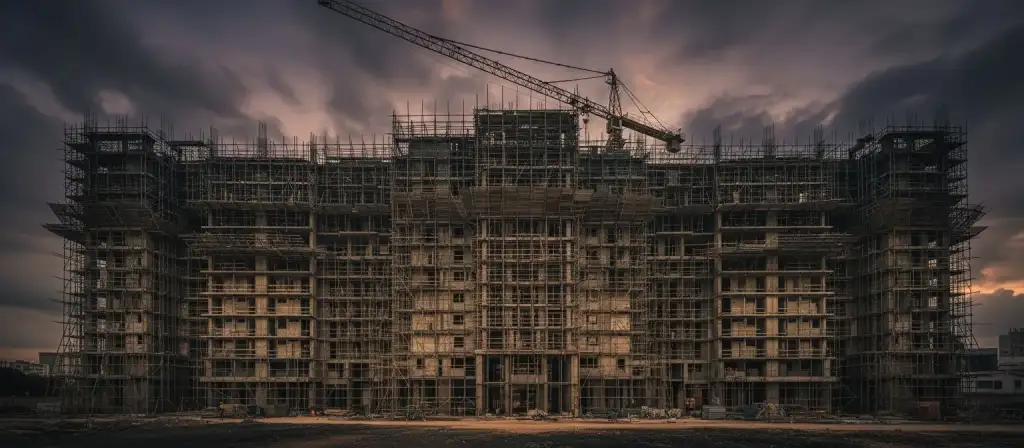
The fix: if buying under-construction, only choose RERA-registered projects from builders with a proven record of on-time delivery.
Check their RERA profile for past project delays and buyer complaints. The small price premium of a ready-to-move property is often worth the elimination of this risk.
8. Emotional Buying
Real estate investment must be a numbers decision, not an emotional one. Many buyers fall in love with a property’s aesthetics, overpay to “secure it,” skip negotiation out of fear of losing it, and ignore red flags because they’ve already mentally moved in. This emotional bias leads directly to overpaying and poor ROI.
The mistake: making offers based on excitement rather than comparable market data.
The fix: always evaluate 8–10 comparable properties before making an offer. Set a walk-away price before entering negotiations and stick to it. If the numbers don’t work, walk away, there will always be another property.
9. Ignoring Total Cost of Ownership

Many investors calculate returns based on the property purchase price alone, ignoring all the costs that come with ownership. These hidden costs dramatically reduce actual ROI and can turn a seemingly profitable investment into a money-losing one.
Costs beginners frequently overlook: stamp duty and registration (4–6% of property value), home loan processing fees, property tax (annual), society maintenance charges, interior and repair costs, property management fees if renting out, insurance, and vacancy months where no rent comes in.
The fix: always calculate net ROI after all costs, not gross ROI before them. A property with 6% gross yield and 2% annual costs has only 4% net yield, very different numbers.
10. Panic Selling at the Wrong Time
Real estate markets correct periodically. During downturns, panicked investors sell at losses to “cut their losses,” only to watch prices recover strongly 18–24 months later.
Unlike stocks, real estate has no daily price ticker to create anxiety, but investors who check portal prices during a slow market and panic-sell lock in their losses permanently.
The fix: real estate is a 5–10 year asset class. Short-term price movements are noise. If the location fundamentals are sound, the project is legal, and your EMI is manageable, hold through downturns.
Forced selling due to financial stress is the primary source of real estate losses for most investors, which is exactly why maintaining financial buffers before investing is non-negotiable.
The Common Thread: Avoidable Mistakes with Avoidable Consequences

Looking at this list, one thing stands out: nearly every reason people lose money in real estate is avoidable with basic research, financial discipline, and professional advice.
Losses in property don’t usually come from bad luck, they come from cutting corners: skipping legal checks, buying emotionally, over-leveraging, ignoring rental yield, or following the crowd into overpriced markets.
The investors who consistently make money in Indian real estate are not smarter or richer, they’re more patient, more data-driven, and more disciplined. They research before they buy, negotiate hard, verify everything legally, maintain financial buffers, and hold long enough for compounding to work.
If you’re starting your real estate investment journey, treat this list as your checklist. Before every property decision, run through it. The few hours of extra due diligence it takes could save you ₹10–30 lakh over the next decade.